


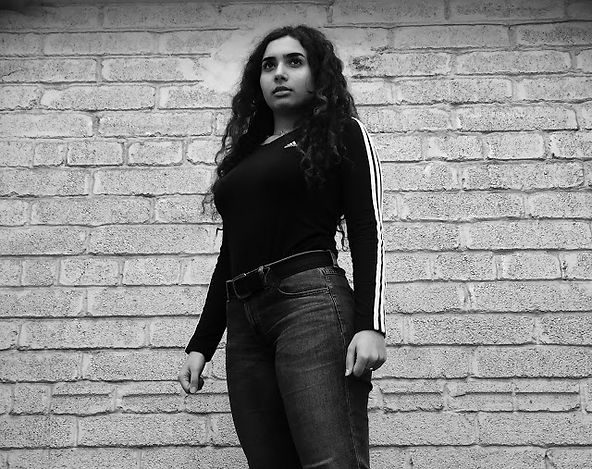
LOW ANGLE
Low angles place your audience below your subject making them appear strong and powerful. This can be useful in conversations to show which character holds the power. Additionally it can be used to give a sense of foreboding because the character or object is to be feared.

R E C E N T P O S T S


HIGH AnGLE
Alternatively, you can use a High angle to place your audience above the object or scene. This give the audience a sense of power making the object look weak and helpless. However, it can also be useful for mimicking a surveillance camera and make your character seem watched.

MIDSHOT
A medium shot is the compromise between either a medium close up or a long shot. Medium shots tend to be uncreative and overused by inexperienced film makers. They don't really make a statement on the objects or characters position of power.

Close up
A close up is good for showing a characters expression or an object that is significant to plot development. It is particularly used to create tension and show expression such as anger and sadness. It encourages intimacy between audience and character this allows empathy to be created.
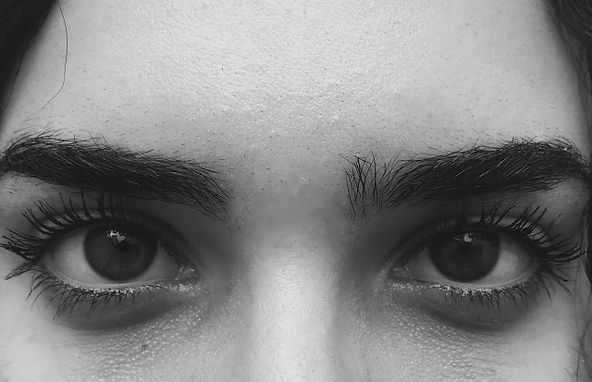
EXTREME Close up
An extreme close up is a highly stylised shot. It is good for creating tension and intensity between characters. This shot is particularly used to show fear, an example is Hitchcock's famous film Psycho.

LONG SHOT
A long shot is good for showing a character in their environment and movement, the background should always be visible as well as the characters whole body. This can distance the character from the audience and make them seem more engulfed in their surroundings.

MEDIUM LONG SHOT
This shows more of the environment than character. It can be used to show the setting, but also create a great sense of perspective. This shot was used in Hitchcock's famous vertigo shot as it gives a great sense of distance. This is not to be confused with an EXTREME LONG SHOT which will focus more on landscapes to be used as an establishing shot.
This shows more of the environment than character. It can be used to show the setting, but also create a great sense of perspective. This shot was used in Hitchcock's famous vertigo shot as it gives a great sense of distance. This is not to be confused with an EXTREME LONG SHOT which will focus more on landscapes to be used as an establishing shot.
This shows more of the environment than character. It can be used to show the setting, but also create a great sense of perspective. This shot was used in Hitchcock's famous vertigo shot as it gives a great sense of distance. This is not to be confused with an EXTREME LONG SHOT which will focus more on landscapes to be used as an establishing shot.
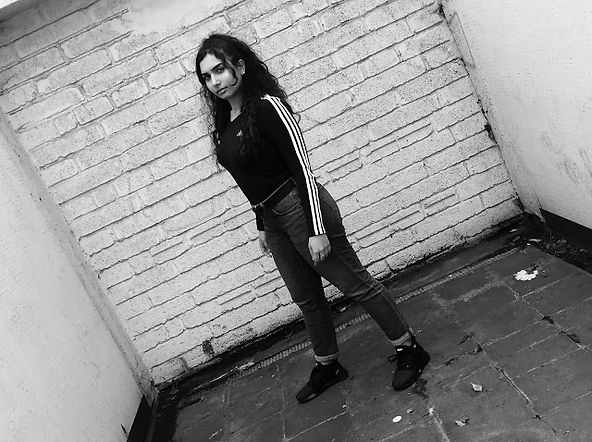
DUTCH TILT
This shot is usually particular to Film Noir and horror films. This is because it gives a distorted uncomfortable atmosphere which creates a sense of confusion. It is good for portraying a character that is either twisted and lost or something uncanny and creepy.
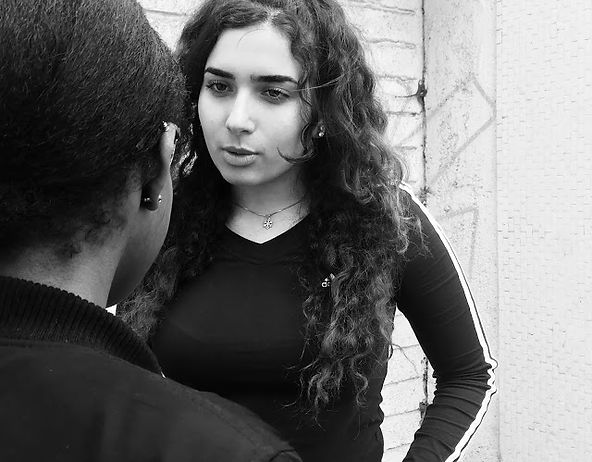
OVER THE SHOULDER
This is mostly used in dialogue scenes. It is useful for showing the characters reaction to what is being said. Depending on what angle you take the shot, it can also display character dominance and control. An example of this is Jonathan Damme's Silence of the Lambs.